

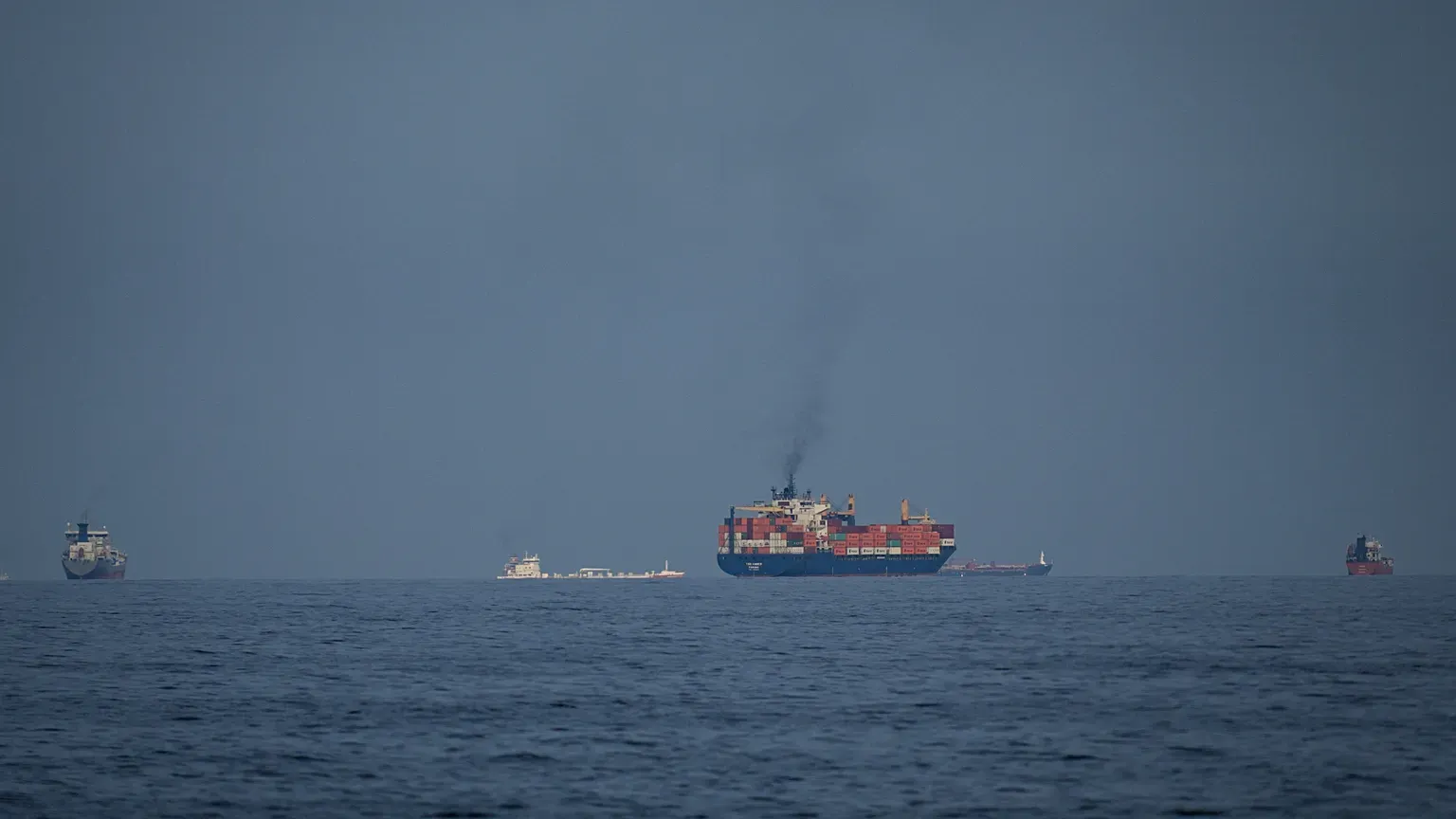
Middle East conflict pushes global energy security back to the forefront
The global energy system is once again under intense scrutiny as the war in Iran triggers sharp volatility in oil and gas markets. With the Middle East conflict entering its second week, attention is shifting away from the immediate price shock toward a deeper question: how resilient is the global energy supply system?
That question was at the center of a recent webinar bringing together leading energy experts, including Simon Flowers, Chairman and Chief Analyst at Wood Mackenzie, Joseph McMonigle, President and CEO of the Global Center for Energy Analysis and former Secretary General of the International Energy Forum (IEF), and energy analyst Gaurav Sharma.
According to the panel, the crisis has revived a powerful geopolitical risk premium in global energy pricing, particularly as tensions intensify around one of the world’s most strategic energy chokepoints: the Strait of Hormuz.
A strategic strait under pressure
Roughly 15% of global oil and gas flows are currently affected by the disruption linked to the conflict. The duration of the interruption, however, remains the decisive factor for markets.
Simon Flowers emphasized that the situation could evolve rapidly depending on how quickly the Strait of Hormuz reopens.
“This is a global issue with substantial volumes involved,” he said. “The outcome is quite binary. If the Strait reopens quickly, oil and later gas flows could resume relatively fast. But markets are extremely sensitive to uncertainty.”
Energy prices have reacted with dramatic swings. In a 24-hour period, Brent crude briefly surged close to $120 per barrel before plunging below $80 after reports of naval escorts protecting shipping routes.
This $40 price spread in a single day illustrates how markets are currently driven more by sentiment and geopolitical risk than by an immediate physical shortage of crude.
The resilience playbook: pipelines, reserves and strategic buffers
For Joseph McMonigle, the Strait of Hormuz represents one of the most critical vulnerabilities in the global energy system.
“About 20% of the world’s crude supply passes through this strait,” he noted. “That’s why energy security is becoming a defining issue again.”
Countries have already begun activating contingency measures designed to reduce reliance on the strait.
Saudi Arabia, for example, has started using its East-West pipeline, allowing around 7 million barrels per day of crude to bypass the Strait of Hormuz entirely. The United Arab Emirates also maintains the Habshan–Fujairah pipeline, another key route that enables exports without passing through the chokepoint.
These infrastructures, once considered backup options, are now central pillars of global energy resilience strategies.
Strategic reserves step in
Governments and international institutions are also deploying emergency buffers.
The International Energy Agency (IEA) and G7 countries have coordinated what could become the largest Strategic Petroleum Reserve (SPR) release in history. Around 400 million barrels could be released to stabilize markets — roughly twice the volume deployed during the early stages of the Russia-Ukraine conflict.
China also plays a critical role in this equation. Over the past decade, the country has quietly built massive strategic reserves estimated between 1 billion and 1.4 billion barrels, providing an additional buffer that could help absorb global supply shocks.
Asia faces the biggest supply challenge
While Europe and North America have access to alternative crude from regions such as West Africa or the North Sea, many Asian economies are more heavily dependent on Gulf supplies.
According to Gaurav Sharma, the so-called “Big Four” Asian importers — China, India, Japan and South Korea — face a particularly complex logistical challenge if Gulf supplies are disrupted.
Replacing Middle Eastern crude would require sourcing oil from more distant producers, effectively doubling shipping times from roughly three weeks to nearly eight weeks.
Some countries have diversified supplier networks that allow them to adapt, but others have far fewer alternatives, leaving them in what Sharma describes as a “real bind.”
Market sentiment could also shift quickly. Traders currently expect the conflict to stabilize within four weeks, but if tensions persist beyond that timeline, nervousness in global markets could intensify dramatically.
The long road to restoring supply
One of the most important lessons highlighted during the discussion is the asymmetry of energy disruptions.
Closing the Strait of Hormuz could happen in a matter of hours. Restoring the full supply chain, however, could take months.
Even if shipping routes were reopened immediately, the energy industry would likely face two to three months before normal operations resume.
Shut-in wells require technical work before restarting production, refineries must recalibrate their systems, and a significant backlog of oil tankers would need to be cleared.
Natural gas markets may face an even longer recovery period, particularly if LNG infrastructure in major exporting countries such as Qatar experiences operational disruptions.
2026: the year of energy security
For the experts involved in the discussion, one conclusion stands out: 2026 could become the defining year for global energy security.
Governments and companies are already reassessing the resilience of the global energy system. This could accelerate investments in alternative export routes, strategic reserves, LNG infrastructure and maritime security.
The current crisis has also reinforced the importance of diversified supply chains and stronger energy infrastructure.
As geopolitical risks return to the forefront of global markets, energy resilience is no longer just a policy goal — it has become a critical pillar of economic stability.