Tunisia Secures €61.3M to Build 100 MW Solar Plant in Sidi Bouzid
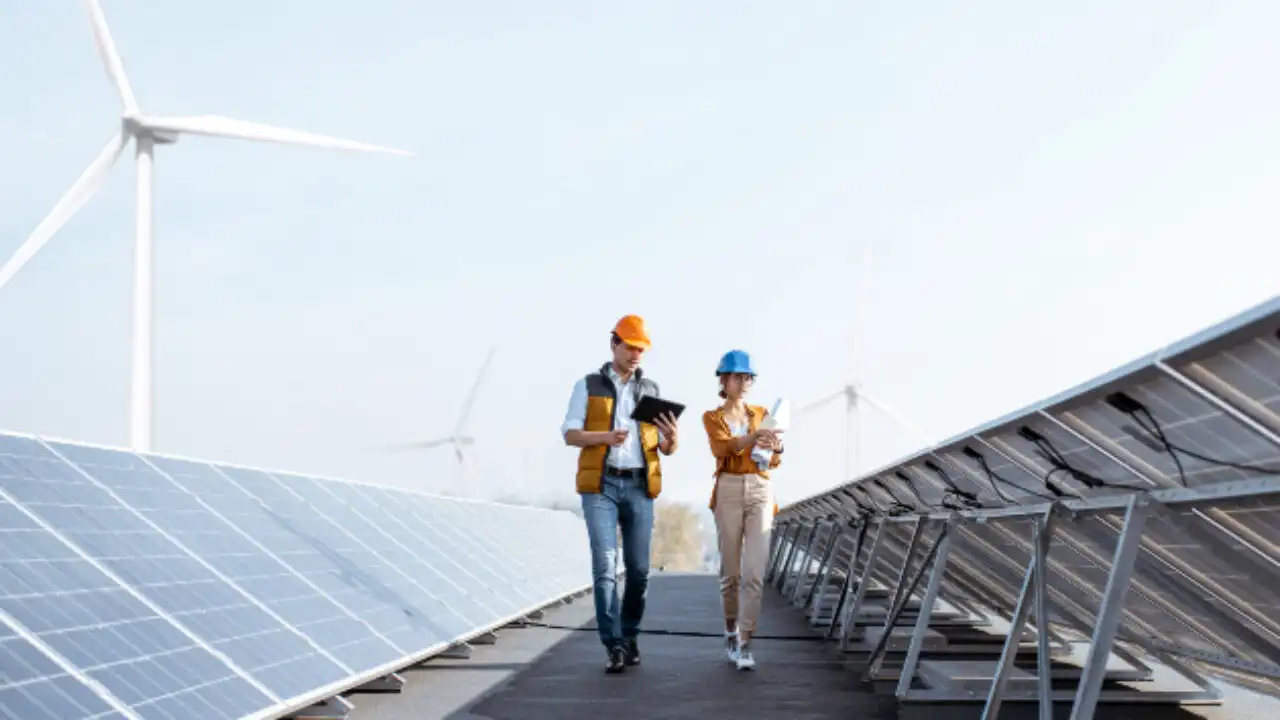
Tunisia is taking a decisive step toward its 2030 renewable energy targets. The European Bank for Reconstruction and Development (EBRD), together with the European Investment Bank (EIB) and the European Union, has signed a €61.3 million loan agreement with the Scatec-Aeolus joint venture to finance a 100 megawatt (MW) solar photovoltaic (PV) power plant in the Sidi Bouzid region.
The project will be implemented by Scatec Khobna PV Power, a special-purpose vehicle incorporated in Tunisia — marking a significant private-sector commitment to the country’s energy transformation.
Clean Power at Scale: 252 GWh and 107,000 Tonnes of CO₂ Avoided Annually
Once operational, the Sidi Bouzid plant is expected to generate an average of 252 gigawatt-hours (GWh) of renewable electricity per year. This output will displace fossil fuel generation and cut average annual CO₂ emissions by around 107,000 tonnes over the plant’s operational lifetime — equivalent to removing tens of thousands of cars from the road each year.
The project directly addresses one of Tunisia’s most pressing vulnerabilities: its heavy reliance on natural gas for power generation. Scaling domestic solar capacity reduces exposure to gas price volatility and strengthens national energy security — a priority that has become even more acute in the wake of regional and global energy disruptions since 2022.
A ‘Team Europe’ Financing Architecture Backed by EFSD+
The financing structure exemplifies the ‘Team Europe’ model, combining complementary instruments from the EBRD, the EIB, and EU budget tools. The EBRD loan is de-risked by a first-loss guarantee under the European Fund for Sustainable Development Plus (EFSD+). The EIB’s participation draws on the Connectivity Component of the EFSD+ Open Architecture Guarantee Agreement.
The EU’s Neighbourhood Investment Platform (NIP) is providing an additional €5.5 million in grant funding to co-finance the associated transmission infrastructure required to connect the plant to the national grid. This grant is part of a broader €35.8 million EU Global Gateway package for renewable energy investments in Tunisia.
A Pillar of Tunisia’s 1.7 GW Concession Programme
The transaction is a direct output of Tunisia’s 1.7 GW renewable energy concession programme, launched in 2022 with the ambition of sourcing 35% of national electricity from renewables by 2030. With current renewables penetration well below that threshold, projects of this scale are critical to bridging the gap.
EIB Vice-President Ioannis Tsakiris described the project as an important step toward delivering ‘affordable, reliable and sustainable energy’ in Tunisia. EU Ambassador Giuseppe Perrone connected the deal to the EU-Tunisia energy memorandum of understanding signed in June 2024 and to the T MED programme launched during European Sustainable Energy Week 2026.
Community Development and Gender Inclusion in Sidi Bouzid and Gabès
Beyond megawatts and emissions, the project incorporates a targeted social component. Technical cooperation funding from the EBRD’s Shareholder Special Fund will support workforce capacity-building in the energy sector, with a focus on the Sidi Bouzid and Gabès regions.
Community awareness campaigns will be conducted in Khobna and Mezzouna, addressing gender-based violence and harassment (GBVH) and the value of care-related work. The objective is to encourage greater female labour-force participation in the renewable energy sector — a key lever for inclusive economic development in underserved regions.
Since 2012, the EBRD has deployed over €3 billion across 90 projects in Tunisia and provided technical support to approximately 2,000 local SMEs through EU-funded programmes.