

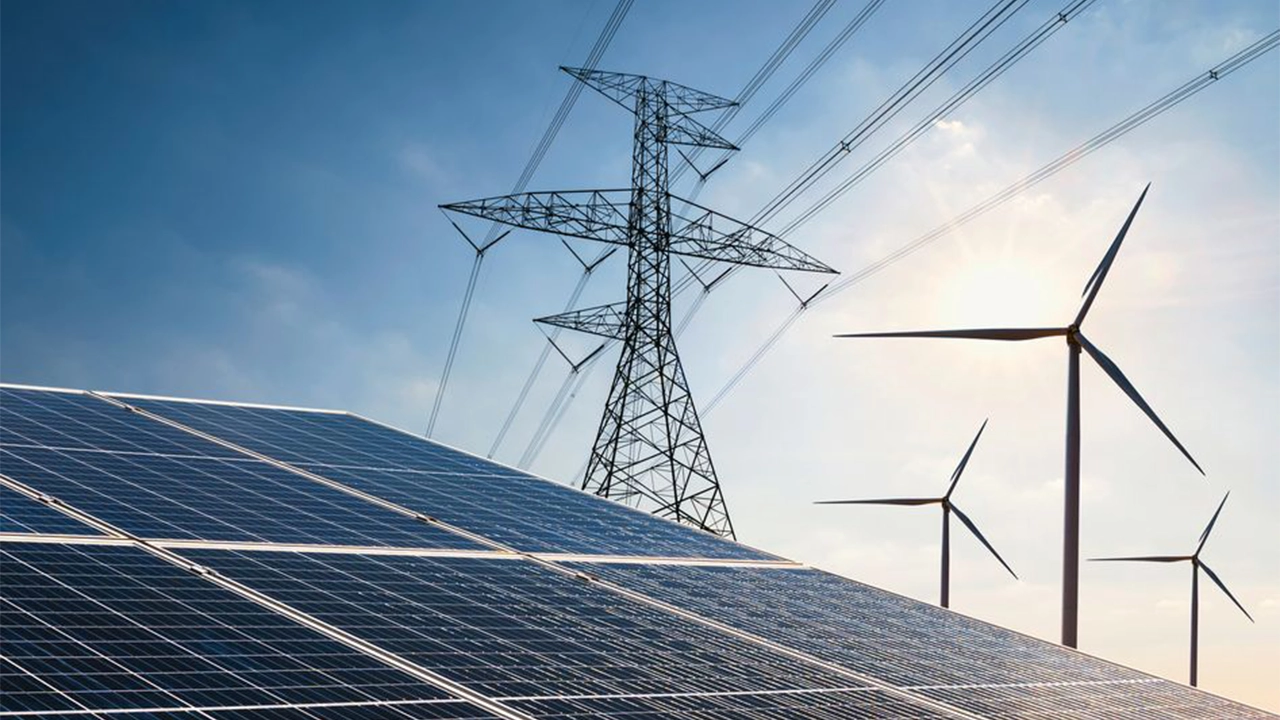
The European Commission is putting the final touches on a legislative proposal that could reshape how electricity is taxed across the bloc. Expected within the coming weeks, the text aims to ensure that electricity — particularly from renewable sources — is systematically taxed at a lower rate than fossil fuels. It would be the most significant overhaul of EU energy taxation in years.
Under the plans currently being developed, energy-intensive industries could benefit from a full exemption on electricity taxes, while the most vulnerable households would see those charges eliminated entirely. The underlying logic is straightforward: at a time when wind and solar account for a growing share of the European energy mix, the tax system should not penalise clean power more than it does gas or oil.
A Reform with Deep Policy Roots
The initiative builds directly on the Affordable Energy Action Plan, unveiled by the Commission in February 2025 as part of its Clean Industrial Deal. In late April, a Commission spokesperson confirmed that the upcoming proposal would explicitly target the tax imbalance between electricity and fossil fuels, while giving member states greater flexibility to go further at the national level.
In March, the Commission’s Energy Package for Citizens had already put a number to the potential impact: electricity bills for households could fall by as much as 14%, or roughly €200 per year on average. For millions of European families still grappling with elevated energy costs, that figure carries real weight.
The regulation being drafted also addresses smart meter deployment. By giving consumers real-time visibility into their energy usage, smart meters would allow households to shift consumption away from peak hours — reducing bills without requiring major lifestyle changes. Network operators, meanwhile, would face stronger incentives to cut their own costs through digital technologies and smarter infrastructure.
A Middle East Conflict That Raised the Stakes
While the reform had already been in the pipeline, the conflict in the Middle East dramatically accelerated its urgency. Military strikes against Iran and the closure of the Strait of Hormuz sent global oil and gas prices surging — and Europe felt the impact almost immediately.
Commission President Ursula von der Leyen warned in April that the EU’s fossil fuel import bill had risen by more than €22 billion in just 44 days, amounting to roughly €500 million in additional costs every single day. European governments moved quickly to cushion the blow: according to the Bruegel think tank, over €11 billion in fiscal measures have been deployed across the bloc to shield households from the surge.
The data confirms the pressure on consumers. Between early February and early April 2026, residential gas prices rose by 6.8% across EU capitals, according to the household energy price index — a sharp increase over a short period.
Yet the reform still faces a structural hurdle: any change to EU tax law requires unanimous agreement among all 27 member states. A 2021 Commission proposal to revise the Energy Taxation Directive remains stalled, a reminder of how difficult it is to align deeply different national energy economies around a single fiscal framework.
Lithuania Becomes Second Country to Unlock EU Climate Social Fund
On a parallel track, the Commission gave the green light on June 5th to Lithuania’s Social Climate Plan, worth €884 million — making it the second national plan approved under the EU’s Social Climate Fund.
Running from 2026 to 2032, the plan will channel €663 million from the fund toward vulnerable households and micro-enterprises facing rising heating and transport costs. Lithuania will co-finance the remaining €221 million from its national budget. The Social Climate Fund itself, financed through carbon pricing revenues, is expected to mobilise at least €86.7 billion across all member states over its lifetime — positioning it as one of the EU’s most significant just transition instruments.